
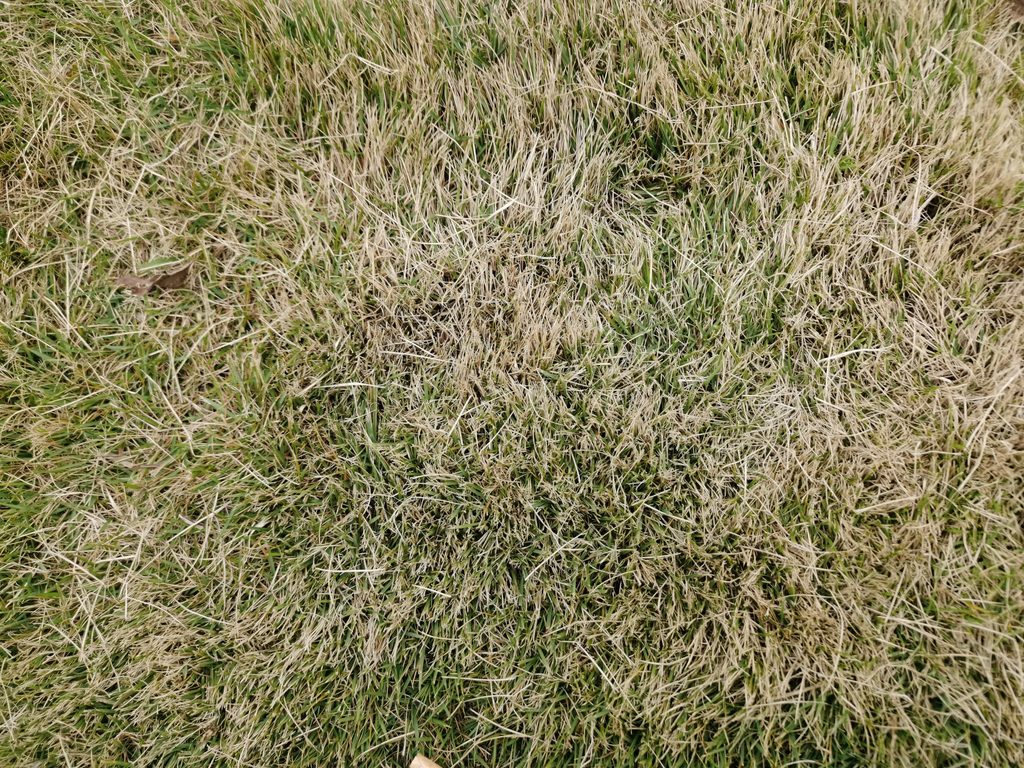
As temperatures cool across Greater Memphis, commercial landscapes begin to look and grow differently. Bermudagrass and zoysiagrass lose their green color, trees drop their leaves and many plants slow their growth.
These changes do not mean landscape maintenance is finished for the year. Dormancy is a natural part of the plant life cycle, but commercial properties still require regular care to remain attractive, safe and prepared for spring.
Understanding what is normal—and what may indicate a problem—can help property managers set realistic expectations for the winter season.
Warm-Season Turf Will Change Color
Bermudagrass and zoysiagrass are common on Memphis commercial properties because they perform well during the region’s hot summers. As soil temperatures decline and daylight hours shorten, these warm-season grasses stop actively growing.
After the first frost, they typically turn tan or brown as they enter dormancy. This uniform color change is normal and does not necessarily mean the turf is dead.
Dormant turf may still require attention. Property managers should watch for:
- Thin or bare areas
- Damage from vehicles or heavy foot traffic
- Standing water or poor drainage
- Winter weeds growing through dormant grass
- Irregular patches that differ from the surrounding turf
Patchy discoloration before complete dormancy may be related to disease, moisture problems, compaction or another site condition. Zoysiagrass can also develop large patch during cool, wet weather. A professional inspection can help distinguish normal seasonal change from a problem that needs attention.
Tall Fescue May Remain Green and Active
Not every lawn on a commercial property enters dormancy at the same time. Tall fescue is a cool-season grass, so it often remains green and actively growing through fall and during mild winter periods.
Newly overseeded fescue needs particular attention in October. Young grass may require continued watering, proper mowing and protection from heavy traffic while its root system develops.
Leaves should not be allowed to form thick mats over new or established fescue. Heavy leaf cover blocks light and air, holds moisture against the turf and may contribute to thinning or disease.
Tall fescue may also continue to need mowing when conditions support growth. Mowing should be based on the turf’s height rather than a fixed calendar.
Irrigation Needs Will Begin to Decline
Cooler temperatures and shorter days reduce water demand across most established landscapes. Irrigation schedules that worked during a Memphis summer may provide too much water in fall.
Continuing to run a system on its summer schedule can create:
- Saturated soil
- Runoff onto sidewalks and parking lots
- Increased disease pressure
- Erosion or displaced mulch
- Unnecessary water use
- Declining roots in poorly drained areas
Controllers should be adjusted as temperatures and rainfall patterns change. However, irrigation should not automatically be stopped across the entire property.
Newly seeded turf, fall seasonal color and recently installed trees or shrubs still need consistent moisture during establishment. Their watering needs may differ from those of established turf and planting beds. Each irrigation zone should be evaluated according to its plants, exposure, soil and drainage.
Leaf Management Becomes More Important
Leaf cleanup is about more than appearance. On commercial properties, fallen leaves can cover turf, clog drainage inlets and create slippery surfaces near entrances, parking areas and sidewalks.
Light leaf coverage may sometimes be mulched into healthy turf. Heavy or wet leaves usually need to be removed, especially from tall fescue and pedestrian areas.
Properties with mature trees may need recurring cleanup throughout the leaf-drop period. Waiting until every leaf has fallen can allow debris to mat turf or interfere with drainage after heavy rain.
Winter Weeds May Become More Noticeable
Warm-season turf becomes less competitive as it enters dormancy. This makes winter annual weeds easier to see, particularly when green weeds stand out against tan bermudagrass or zoysiagrass.
Many winter weeds begin germinating before property managers notice them. Fall prevention should already be in place where it is included in the turf program and compatible with the grass species and any planned seeding.
If weeds appear, treatment decisions should be based on correct identification, growth stage, weather conditions and product-label requirements. It is also helpful to consider why weeds are growing in a particular area. Thin turf, compacted soil, excess moisture and bare ground can all create favorable conditions for recurring weeds.
Trees and Shrubs Still Need Attention
Dormancy does not mean trees and shrubs no longer need care. Roots may continue growing while the soil remains mild, and recently planted material still needs water during dry periods.
Fall is also a useful time to evaluate:
- Dead or damaged branches
- Plants blocking signs or walkways
- Improper mulch depth
- Drainage around planting beds
- Declining shrubs
- Planting opportunities for the following season
Pruning should be planned according to the plant species and flowering cycle. Cutting every shrub simply because growth has slowed can remove flower buds or create unnecessary stress.
A Dormant Landscape Can Still Look Well Maintained
A commercial landscape may not be as green in winter as it is in spring or summer, but it should still look intentional. Clean beds, managed leaves, healthy seasonal color, clear walkways and neatly maintained dormant turf all contribute to a professional appearance.
Fall is also an opportunity to document areas that need future improvement. Turf damage, drainage problems, declining plants and high-traffic areas can be included in the property’s spring plan before they become urgent.
A proactive maintenance strategy helps protect the landscape during dormancy while preparing it for healthier growth next year. Contact LSG today to discuss a customized fall and winter maintenance plan for your Memphis-area commercial property.